
Signs Your Dog Is About To React On A Walk (And What To Do First)
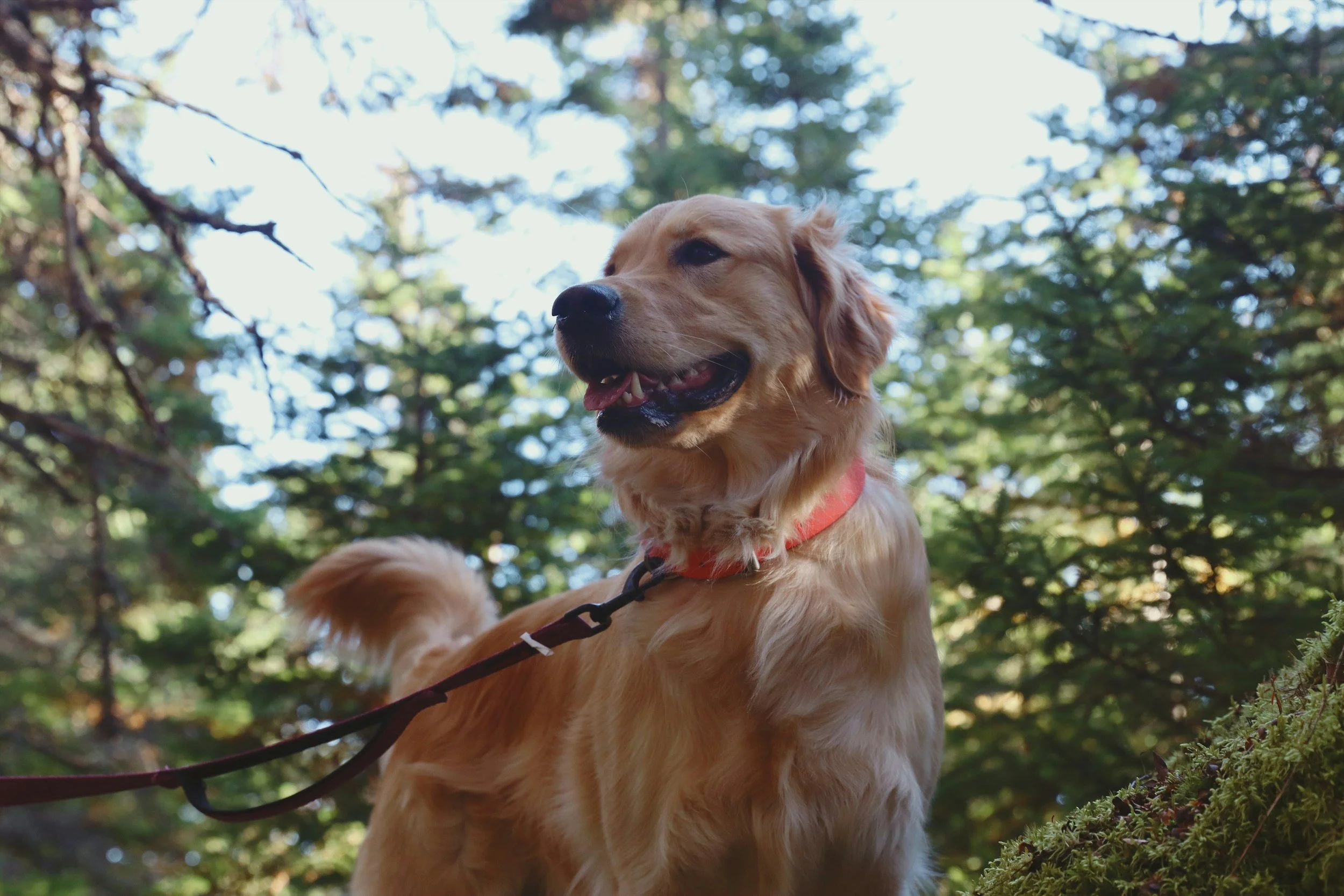
When your dog reacts on a walk, it can feel like it comes out of nowhere.
One second they seem fine, and the next they’re barking, lunging, or completely overwhelmed.
That sudden shift can feel stressful, scary, and even a little disorienting. It’s very common for it to lead to feelings of frustration, panic, or overwhelm.
This is something I talk through with clients all the time.
Because while it feels like these reactions happen instantly, they’re usually not actually coming out of nowhere.
There are often subtle signs leading up to the reaction, and once you learn to notice them, you can step in earlier and help your dog before things escalate.
Reactions are usually the result of increasing stress, arousal, or discomfort building over time.
They can feel sudden, but in most cases, your dog is already communicating how they’re feeling before the barking or lunging happens.
The challenge is that those early signals can be easy to miss if you don’t know what to look for.
Learning your dog’s body language is one of the most powerful ways to understand what they’re experiencing—and to help prevent reactions before they start.
Signs to Watch For
There are so many subtle signals that can indicate your dog is becoming overwhelmed or fixated on something in their environment and that they may be about to have a reaction.
You may notice:
Staring / fixation
Your dog locks onto a person, dog, or object and struggles to disengage.Body stiffening
Their movement slows or stops, and their body becomes rigid or tense.Mouth closing
A relaxed, open mouth may suddenly close. This can sometimes precede a barking or vocalizing, specifically.Lip licking or tongue flicking
A quick flick of the tongue or lip licking, especially outside of a food context.Ears shifting forward
Their ears move into a more alert position, often paired with a forward lean in their body.Slowing down or freezing
Your dog may pause, slow significantly, or stop moving altogether.Scanning the environment
Quick head movements, looking back and forth, or appearing hyper-aware of surroundings.Tail changes
The tail may slow, become still, or rise higher than your dog’s normal relaxed position.
This isn’t a complete list, and every dog is a little different—but these are some common early signs of increasing stress or arousal.
What To Do When You See Them
As you begin to recognize these signals, you can start to intervene earlier—before your dog reaches a full reaction.
Many of these steps are similar to what we talked about in What To Do When Your Dog Reacts on a Walk, but the key difference here is timing.
Create distance early
As soon as you notice these signals, begin to move away from the trigger. Call your dog’s name and turn in a different direction or just start moving away.
Distance is one of your most effective tools. It reduces intensity and gives your dog the space they need to settle.
Continue creating distance until your dog can re-engage with you easily and is no longer showing those stress signals.
Redirect early
Once you’ve created enough space, gently redirect your dog’s attention.
This could look like:
a treat scatter in the grass
a familiar cue or game
or simply continuing to move away together
The goal isn’t to distract them, but to help them shift out of a stressful moment.
Don’t wait
When you notice these signals, don’t wait and see if your dog can handle it.
By the time these behaviors show up, your dog’s stress response has already started.
It’s much easier to support your dog before they escalate than to try to help them once they’re overwhelmed.
Moving away early gives your dog the opportunity to come back to a calmer state and helps prevent that internal build-up from turning into a full reaction.
Why This Matters
Catching these early signals is one of the most important skills you can develop as your dog’s handler.
It shifts you from reacting after something happens to supporting your dog before it escalates.
And over time, this helps your dog:
feel safer
recover more quickly
and experience fewer full reactions
You’re not just managing behavior, you’re helping your dog learn how to navigate their environment with more confidence and less stress.
Continue Learning + Support
If you want to understand what to do when your dog does react, you can read more here:
👉 What To Do When Your Dog Reacts on a Walk
If you want an additional place to start…
Supporting your dog outside of these moments can make a big difference in how they feel during walks.
I’ve put together a guide with simple enrichment ideas that can help reduce behaviors like barking, chewing, and reactivity.
If you’re working through this with your dog and want more personalized support, I offer virtual sessions where we build a plan tailored to you and your dog.
